Pragmatic design systems that grow with the product

Design systems often become visible only once teams start feeling the friction. Interfaces drift apart, components are duplicated, frontend decisions become inconsistent, and new features slowly bypass existing patterns. We help teams establish lightweight, maintainable systems that bring more consistency into product development without introducing unnecessary governance or process overhead. The goal is not to build a massive framework upfront, but to create structures that evolve naturally alongside the product itself.
Built from actual product requirements
We believe design systems work best when they emerge from real use cases, shared frontend challenges, and repeated interface decisions — not from isolated documentation exercises.
That’s why we usually build systems directly within active product development, closely connected to frontend architecture and delivery workflows.
CMS, frontend and UI as one system
Reusable components only work long term if content structure, layout logic, and frontend implementation are considered together.
We think beyond static UI libraries and help teams create systems where CMS models, components, and editorial workflows support each other instead of drifting apart.
Continuous stewardship instead of static delivery
A design system is never really “finished”. As products grow, new patterns emerge, requirements shift, and components need refinement.
We support teams continuously in consolidating patterns, improving documentation, and evolving token and component structures in a way that stays practical for everyday product work.
AI-supported workflows where useful
We selectively use AI to speed up repetitive parts of the process — for example when reviewing consistency, structuring variants, or improving documentation quality.
Not as a replacement for design decisions, but as a way to reduce manual overhead.
Connected to the actual product stack | Beyond Figma
A design system should not stop at design tooling. It needs to work inside the frontend architecture, fit into the CMS structure, and remain understandable for teams working on the product every day.
We work with modern frontend technologies such as Tailwind, shadcn, and headless CMS setups, while structuring tokens and component logic in a way that can scale with the product over time.
Instead of treating frontend, CMS, and design as separate layers, we try to create a connected workflow that reduces friction between design, engineering, and content teams.
Clear token systems and reusable component structures are also becoming increasingly important for productive AI-assisted workflows in frontend and UI development.
If you already have an existing setup, we’re happy to review it together and help identify where simplification or consolidation could make sense.

Judith Urban, Head of UX/UI bei Peerigon

2–6
Wochen
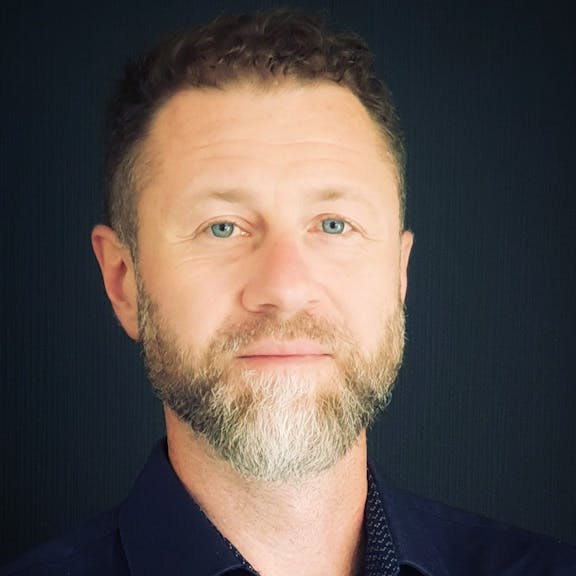
Eddie Unruh
Head of Software Engineering bei Dr. Wolff Group
In our collaboration, we experienced Peerigon as a reliable and technically highly capable implementation partner. At the same time, they worked closely with our internal content, SEO, and commerce teams, which made the day-to-day collaboration run very smoothly. It was also especially valuable to have a partner who reliably supported us through more challenging phases, such as critical migrations and go-live preparations. From our perspective, this is a collaboration we can wholeheartedly and confidently recommend.
Aus der Praxis
Drei Beispiele dafür, wie Lean Design Systems in unterschiedlichen Reifegraden aussehen können.


What we intentionally do not offer
We are probably not the right fit for organizations looking for multi-year enterprise governance initiatives with extensive process layers and dedicated system departments.
Our focus is on product teams that want pragmatic, maintainable solutions close to implementation.
Large-scale governance programs
We are probably not the right fit for organizations looking for multi-year enterprise governance initiatives with extensive process layers and dedicated system departments. Our focus is on product teams that want pragmatic, maintainable solutions close to implementation.
Pure branding projects
We work primarily on digital products, frontend systems, and interface structures. So, if you are looking for a complete brand repositioning or corporate identity process, specialized branding studios are usually a better fit.
Traditional handoff processes
We don’t see design systems as something handed over from design to development after months of preparation. Instead, we prefer collaborative Design-Dev Integration where frontend and design evolve together continuously.
Figma-only libraries
A component library inside Figma alone is rarely enough. Long-term consistency only works if components, tokens, CMS structures, and frontend implementation are aligned across the entire product workflow.
Häufige Fragen
Design systems often sound more complicated than they actually need to be. These are some of the questions teams typically bring into early conversations.

Let’s review your current setup together
Whether you already have an existing design system, are planning a frontend modernization, or simply want to improve consistency between design, CMS, and frontend: Judith Urban and the Peerigon product design team are happy to take a look together and help identify practical next steps.